When a paint job fails — peeling on the trim, patches that show through, a stripe of color on the ceiling — people usually blame the paint. In our experience it's almost never the paint. It's the prep, or the lack of it, that decides whether a finish looks good for a decade or starts failing in a year.
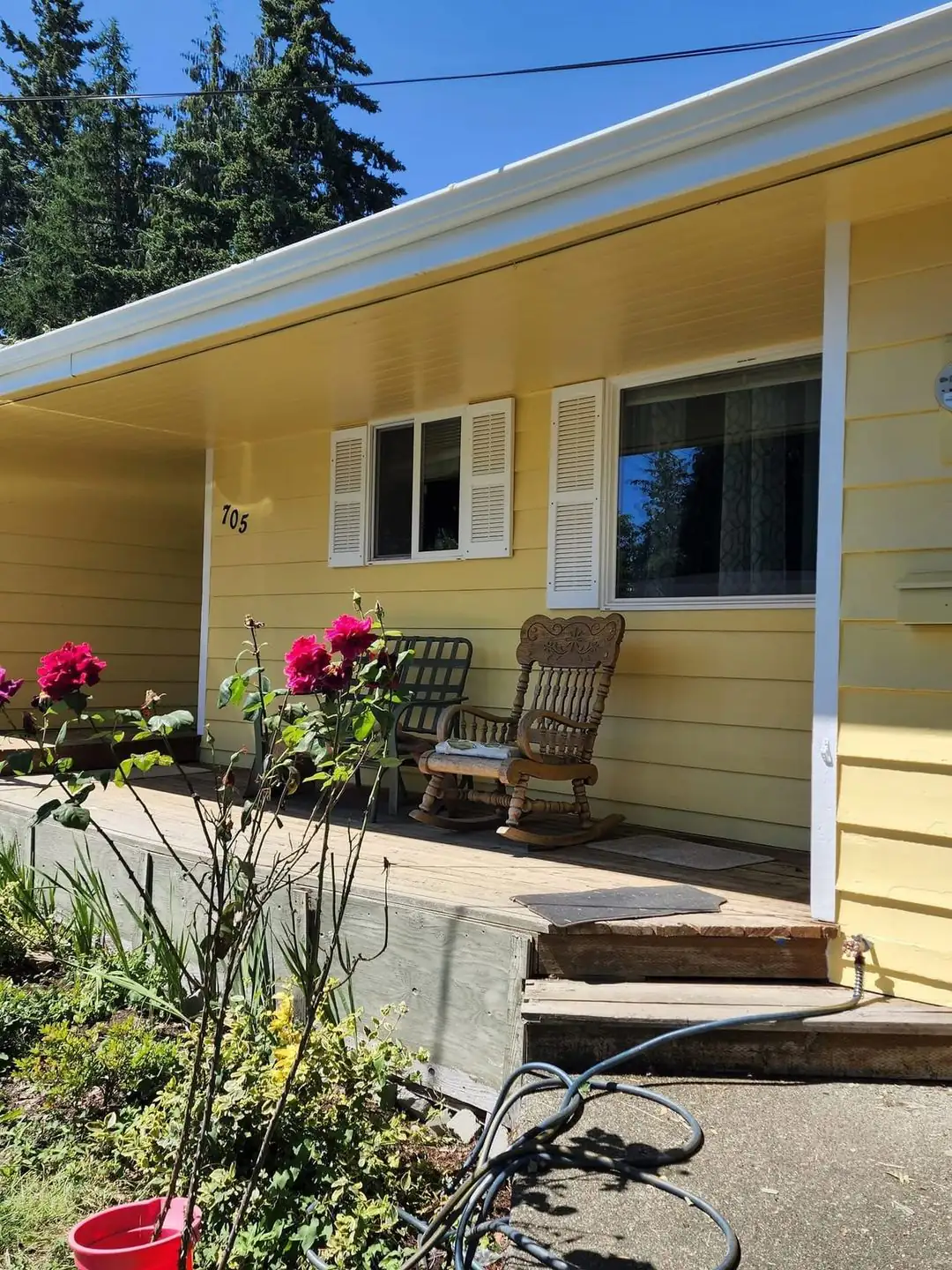
The yellow rambler in our gallery is a good example. It started with faded, weathered green siding, and before a single finish coat went on, it was washed, scraped where the old paint was loose, spot-primed on every bare patch, and caulked at the joints. The finish coats are what you see; the prep is why they'll last.
Indoors, protection comes first. Floors are covered with drop cloths or paper, furniture is moved and wrapped in plastic, and fixtures, outlets, and windows are masked. It's the least glamorous part of the job and the part that protects your home, so it isn't a place to save time.
Then the surfaces. Walls get washed where there's grease or grime — kitchens, bathrooms, and hallways especially — because paint doesn't bond to dirt. Nail holes, dents, and cracks get filled and sanded flush. Gaps along trim and baseboards get caulked so the lines read clean. Glossy surfaces get scuff-sanded so the new coat has something to grab.
Priming is where a lot of shortcuts hide. Fresh drywall patches and bare spots need primer, or they'll show through the finish as dull patches — what painters call flashing. Water stains, smoke, and marker need a stain-blocking primer or they'll bleed right back through two coats of paint. Going from a dark color to a light one, or the reverse, usually needs a tinted primer to get even coverage.
On exteriors the list gets longer: pressure washing to remove mildew and chalking, scraping loose paint, replacing rotted boards instead of painting over them, spot-priming bare wood, and caulking joints against the weather. Skip any of it and the new paint is sitting on a surface that was already failing.
When you compare estimates, look at what each one says about prep. An estimate that only lists square footage and coats of paint leaves the most important part of the job undefined. Ask how the space will be protected, what repairs are included, and whether priming is part of the price. A good contractor will answer all three without hesitating.
Planning an interior or exterior paint project? Call Premier Paint & Construction at (425) 390-9115 for a free estimate that spells out exactly what's included.